From problems, to engineered solutions
Rayner Engineering takes real problems from sites, workshops, and maintenance teams to provide reliable solutions, saving you time & headaches.
Projects
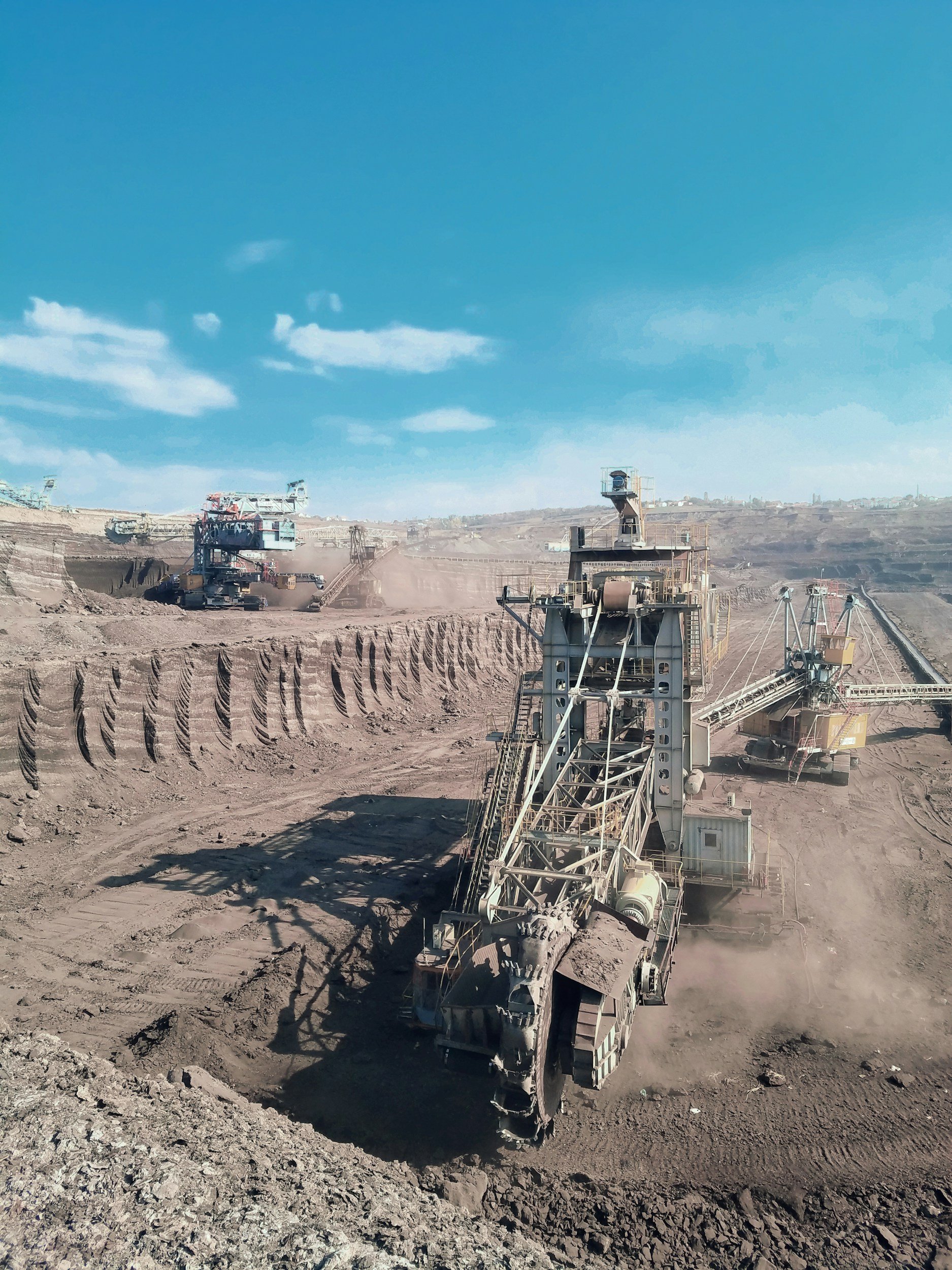
Rayner Engineering delivers practical mechanical engineering, weld engineering, wear tracking, sheet metal design, failure investigation, repair methodology, and automation projects across several resource and manufacturing industries.
Our project work is focused on solving real operational problems: Repairing components, reducing downtime, extending asset life, improving safety, strengthening compliance, and streamlining manufacturing.
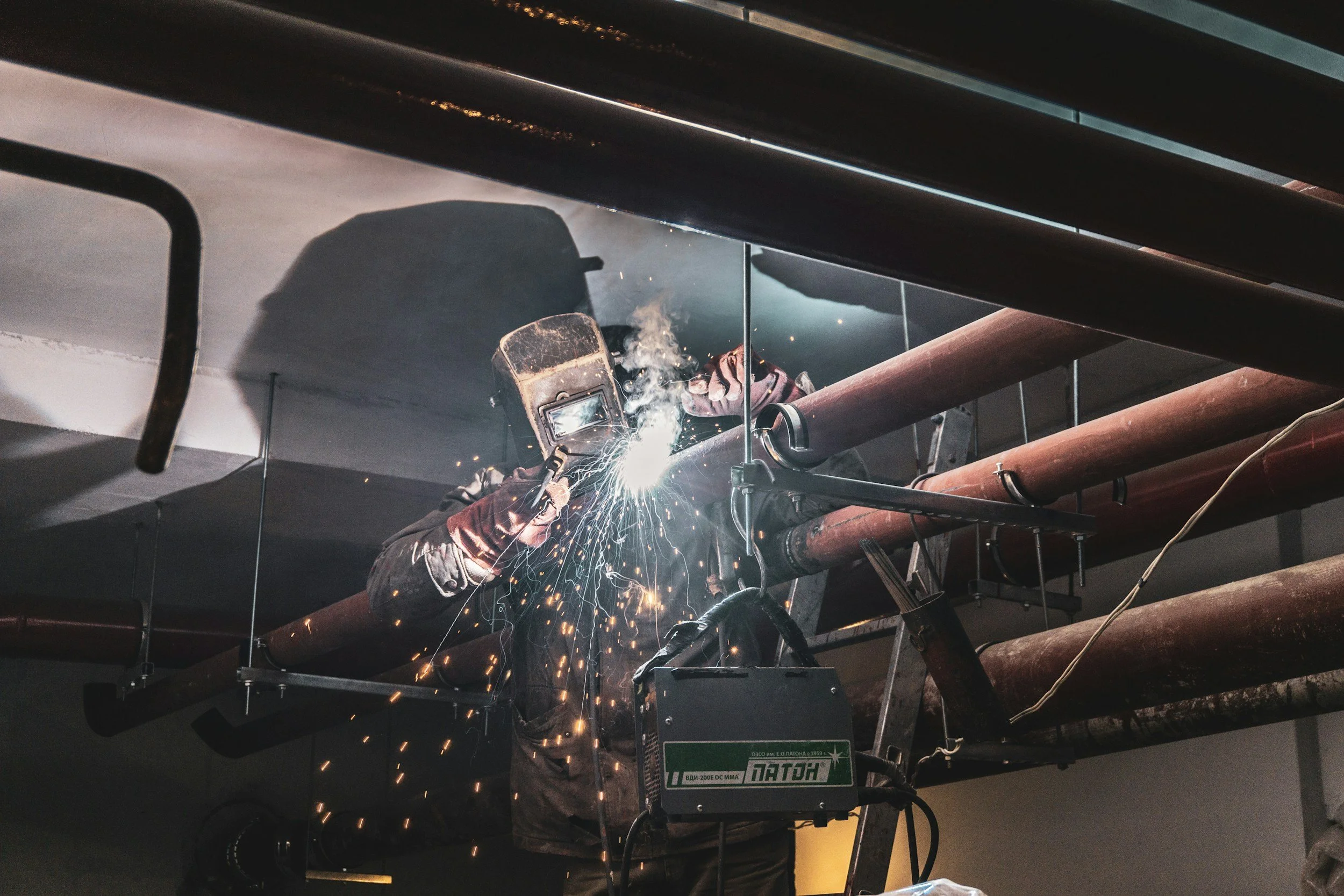
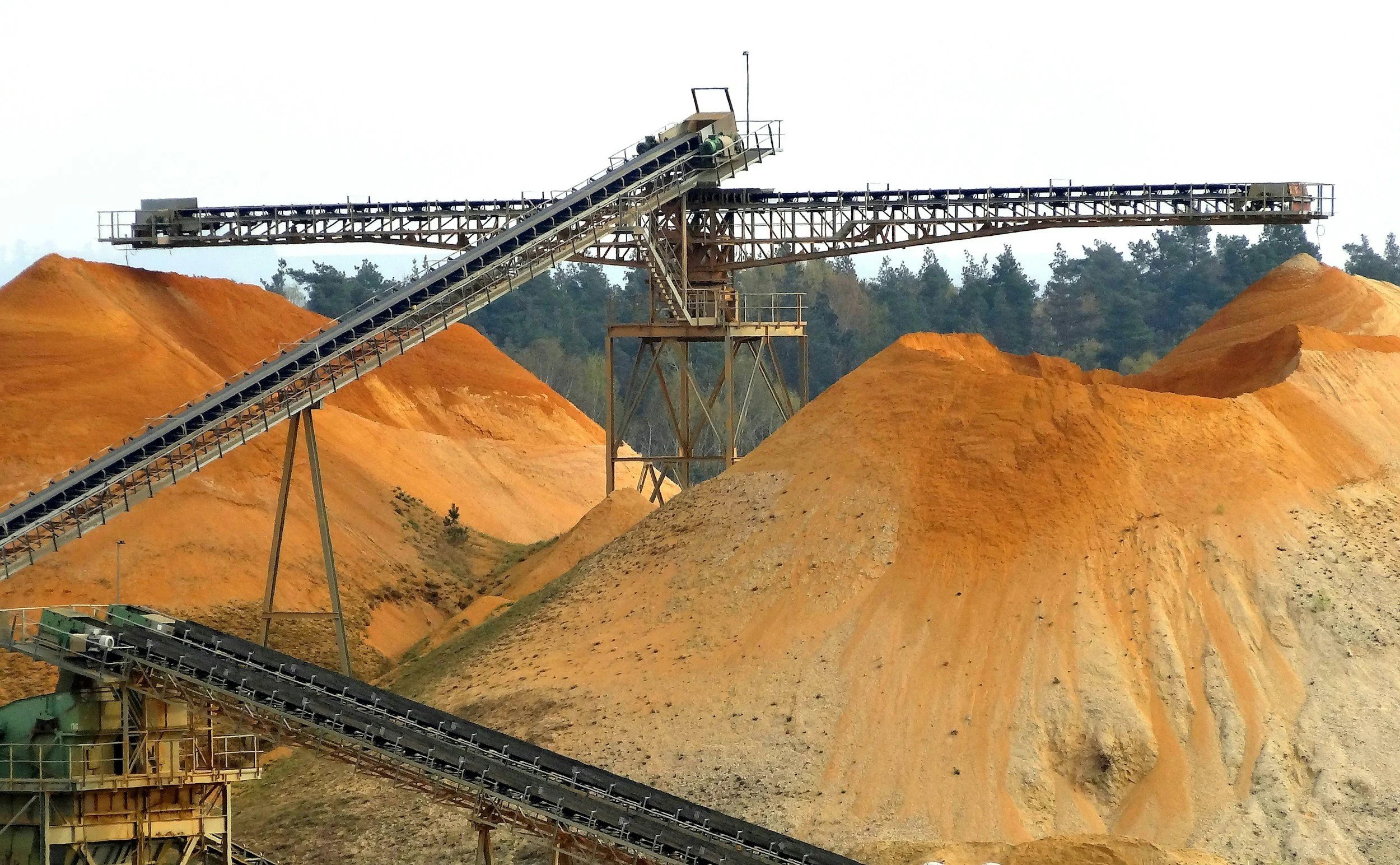
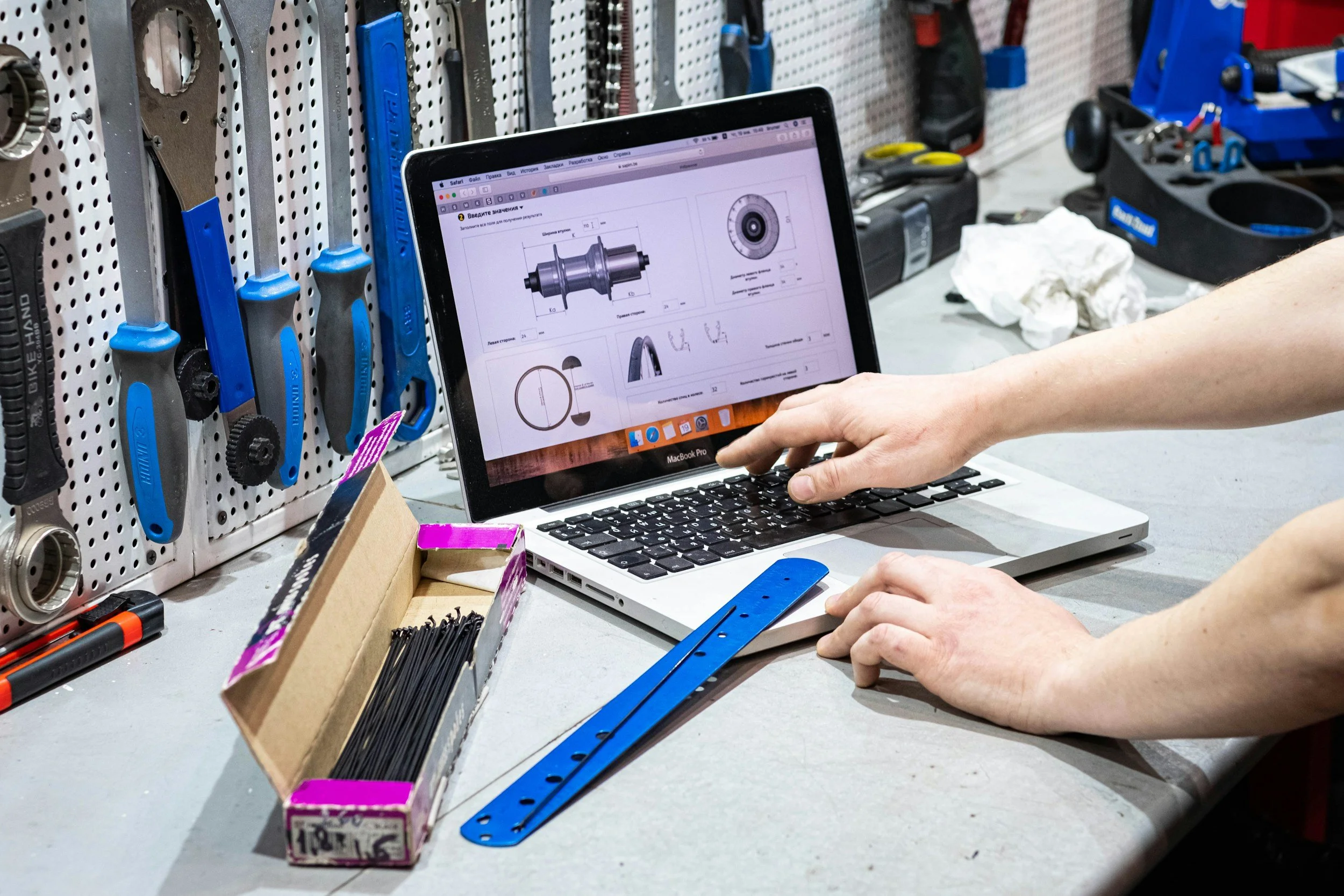
Welding Projects
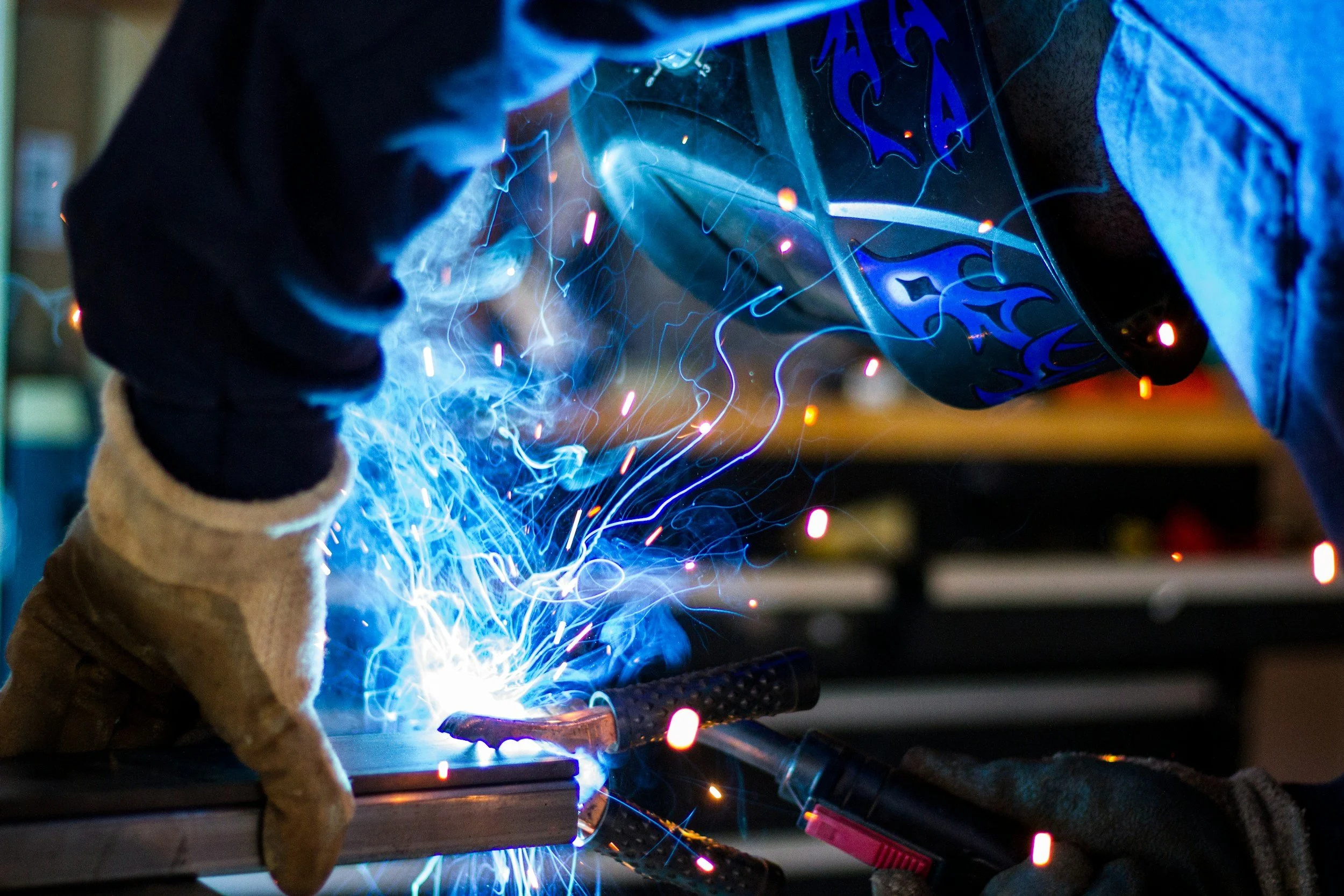
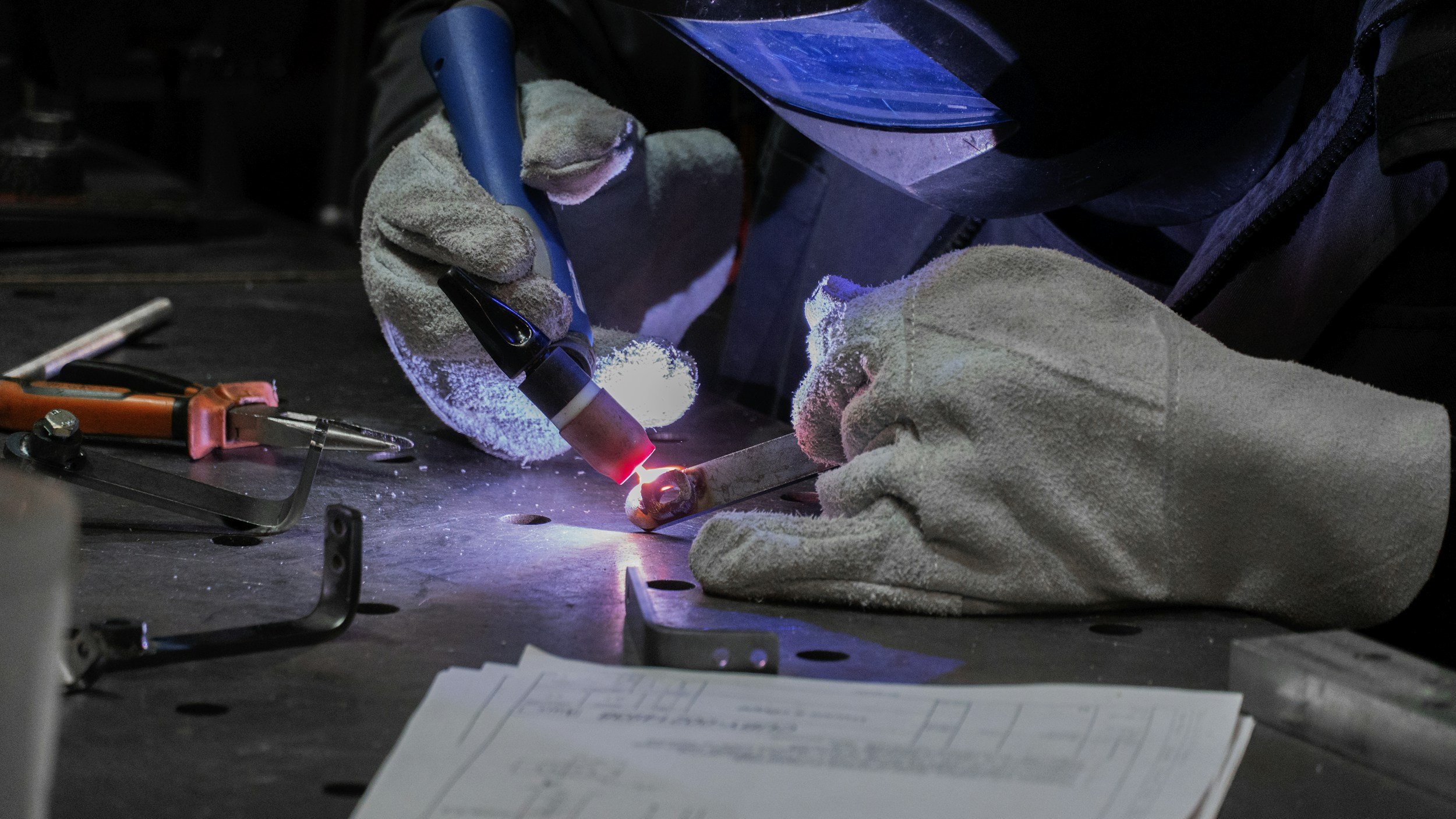
Rayner Engineering provides weld engineering, inspection, testing, WPS development, welder qualification, critical weld repair methodologies, welding QA/QC system development, and AS/NZS ISO 3834 support for workshops, mine sites, fixed plant, pressure equipment, and heavy engineering components. View our full range of Welding Services here:
Time-sensitive weld repair on mine’s failed pressure vessel
Problem: A manufacturing workshop had entirely outdated and missing WPS procedures which did not comply to AS1554, and a poor welding QA/QC system. This lead to them losing large manufacturing contracts, being drowned in NCR’s, and consistently losing money in rework.
Rayner Engineering reviewed the workshop’s existing welding procedures, WPQR documentation, welding procedure registers, and manufacturing QA/QC processes. We heavily-updated and restructured the workshop’s welding procedure system to suit their current and future needs, which made it alot simpler for their workshop welders to operate, and follow QA/QC requirements. The project improved welding traceability, reduced confusion on the workshop floor, strengthened compliance with welding standards, and gave the business a much more practical system for managing future manufacturing jobs.
Manufacturing workshops WPS & welding QA/QC system upgrade
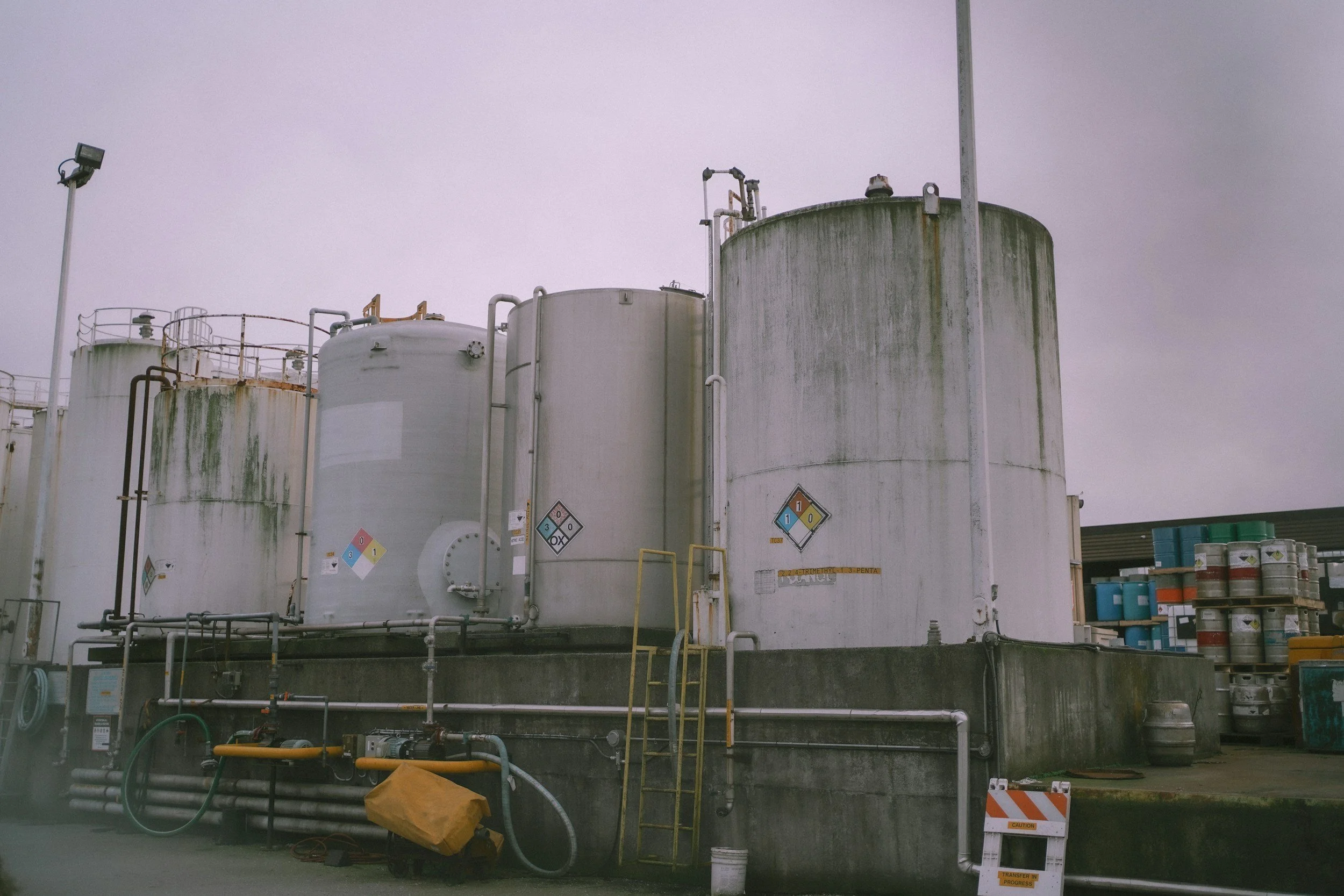
Problem: A fixed plant pressure vessel on a mine site had suddenly cracked at a spigot attachment, hazardously spraying hot oil all over the surrounding plant - a reliability, safety, and environmental hazard.
Rayner Engineering quickly developed weld repair procedures and supporting welding documentation for the pressure vessel, which was losing the company hundreds of thousands of dollars for every day of downtime. This process included a Root Cause Analysis RCA investigation, highlighting a manufacturing defect in the tank. After performing a mettalurgical assesment for weldability, arepair strategy was developed, including the WPS with qualification to AS1210, PWHT requirements, NDT, and ongoing condition monitoring needed. This quick work helped the site safely repair compromised equipment, minimise the overall incident loss, and avoid unnecessary replacement costs where a controlled engineering repair was practical.
Surface & underground weld management system for mine site
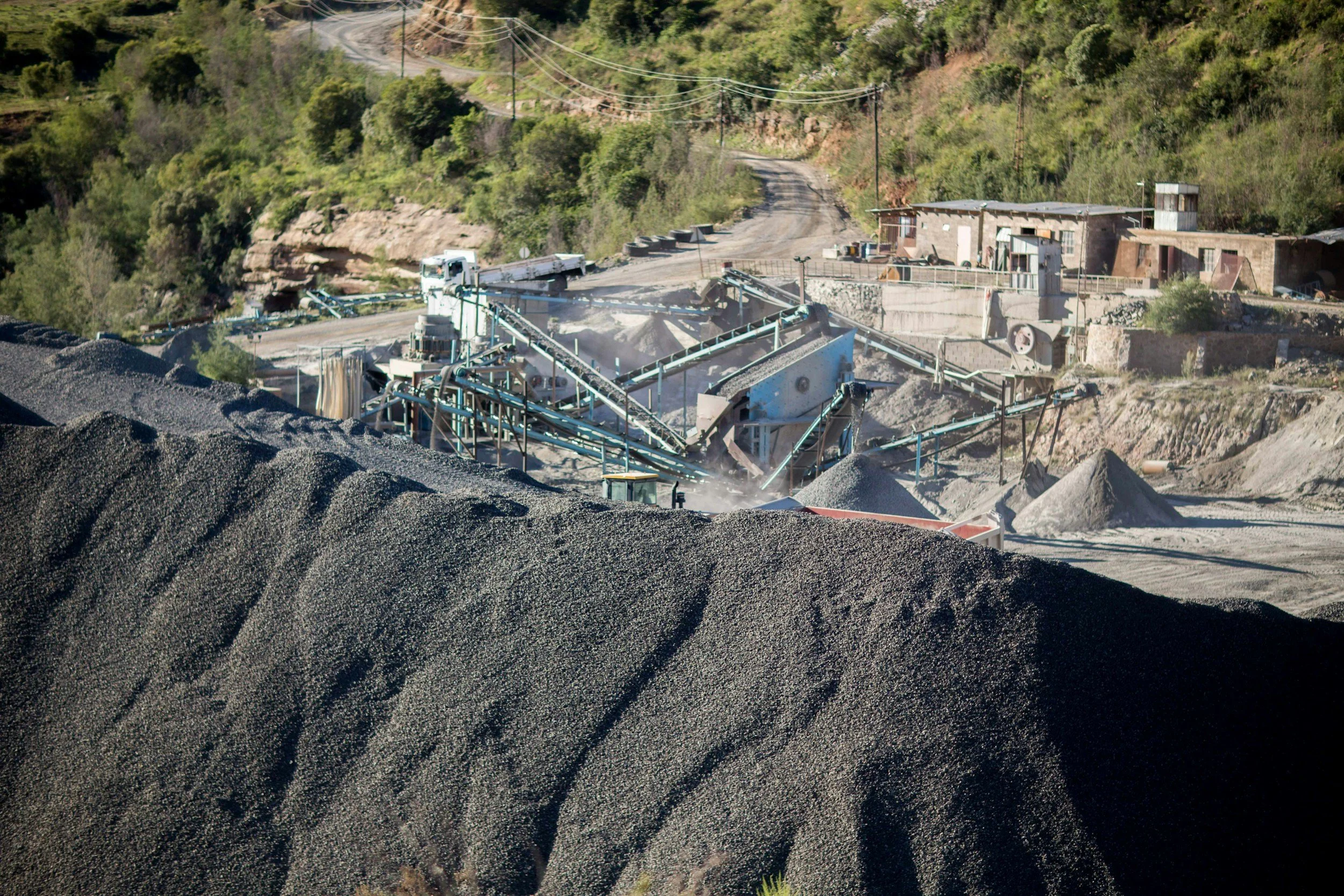
Problem: A mining operation had inconsistent welding practices across workshop, surface, and underground teams. Weld repairs were being completed without a clear site-wide system for WPS selection and qualification, repair traceability, inspection requirements, or engineering approval.
Rayner Engineering developed a site-wide weld management plan to standardise how welding and weld repairs were managed across the mine. This included compiling and expanding a full site-wide WPS register, standard procedures for weld repair assessment, guidance for selecting suitable welding procedures, and clear requirements for inspection, documentation, and traceability. The system allowed the mine to safely complete more internal weld repairs instead of defaulting to OEM component replacement. This improved compliance, reduced repair uncertainty, increased component life, and helped save the site hundreds of thousands of dollars each quarter by repairing suitable components rather than replacing them unnecessarily.
AS/NZS ISO 3834.2 welding quality implementation & accreditation
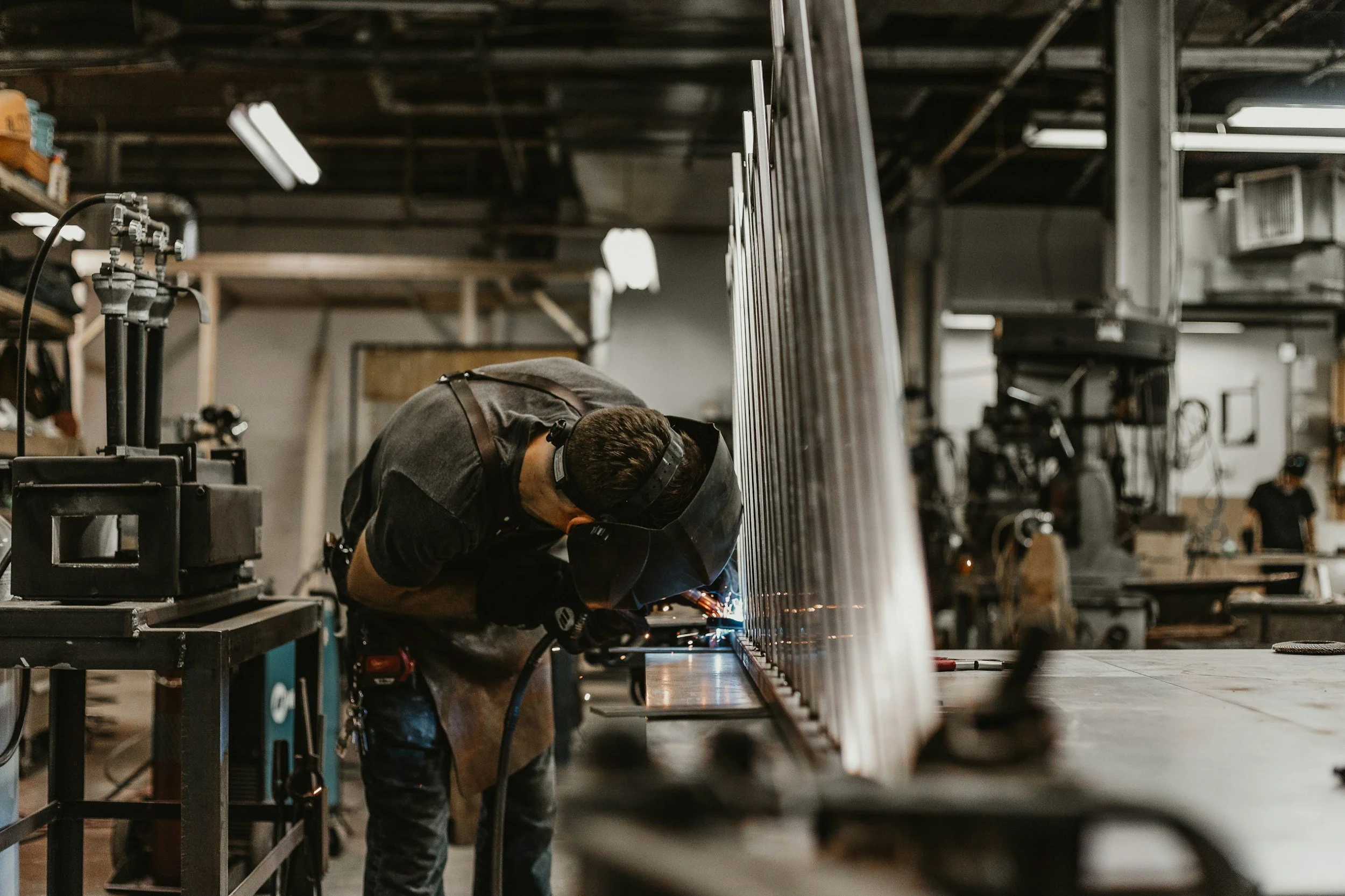
Problem: A manufacturing company needed to improve its welding quality system to meet AS/NZS ISO 3834.2 requirements for a large project, but lacked the internal documentation, procedures, traceability systems, and welding coordination processes needed for accreditation.
Rayner Engineering developed practical SOPs, weld traceability documents, inspection processes, WPS control systems, welder qualification registers, and project QA/QC documentation to directly address each requirement of AS/NZS ISO 3834.2. We worked directly with the company and auditors to close system gaps and make the process practical for the workshop. The project improved welding accountability, reduced NCRs and rework, strengthened compliance with client and standard requirements, and helped the company become better positioned for higher-value fabrication and industrial manufacturing contracts.
Weld repair methodology for high-fatigue mining rockbreakers
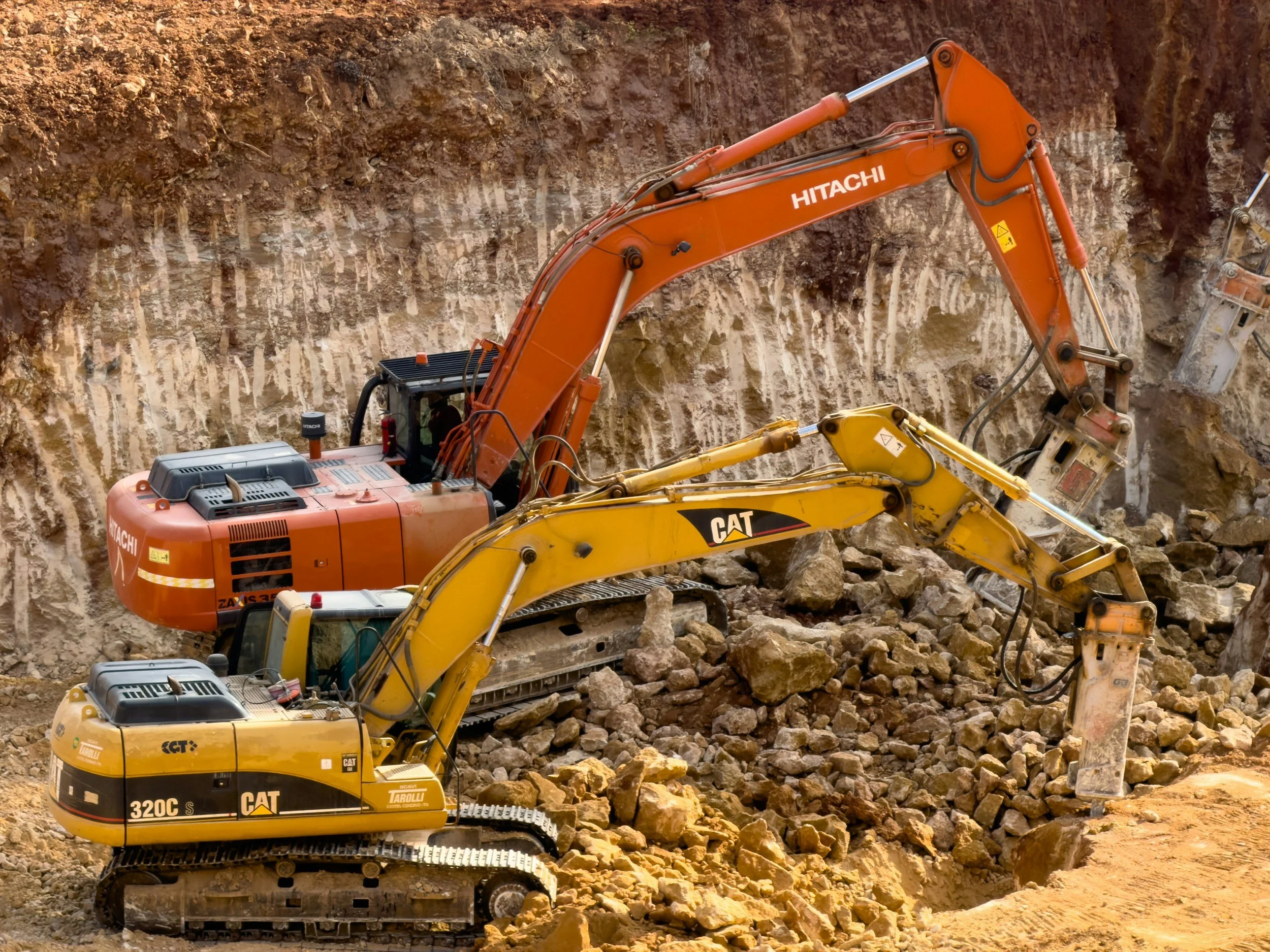
Problem: Several underground mining rockbreaker boom arms were developing cracks in various areas, creating costly downtime and casusing the company to spend hundreds of thousands of dollars replacing components on each rockbreaker every few years.
Rayner Engineering developed controlled weld repair methodologies for the cracked high-fatigue components, adressing the missing PWHT and weld blending requirements which the manufacturer failed to address. This project included reviewing numerous defect locations, assessing repairability and service conditions, developing repair methods, and defining NDT and inspection requirements. These projects gave clients a practical repair pathway for expensive equipment, helping them extend component life, reduce downtime, and avoid premature replacement where a properly engineered weld repair was reliable and more economical.
Mechanical Design Projects
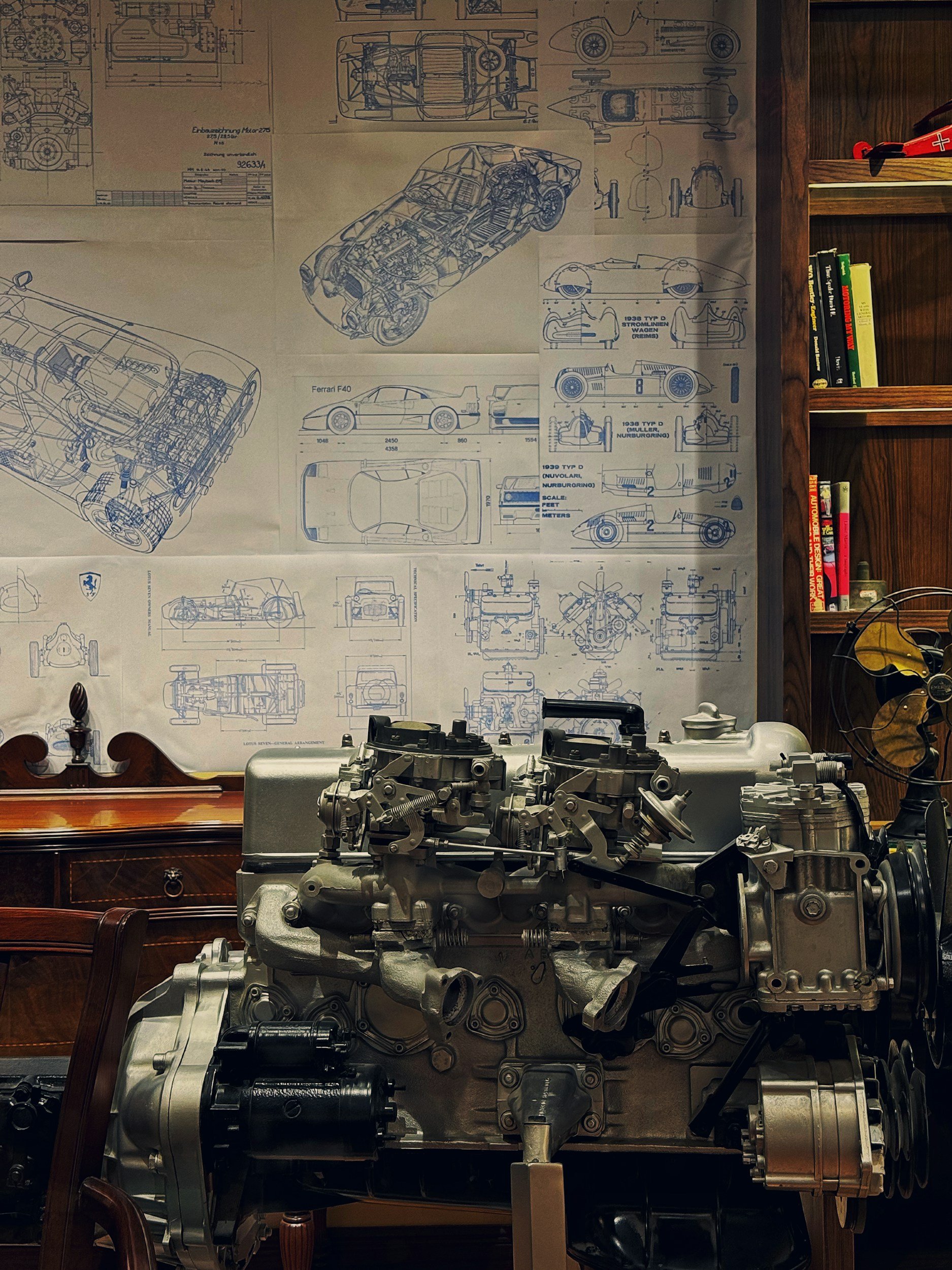
Rayner Engineering provides mechanical design services, including reverse engineering, 3D modelling, manufacturing drawing drafting, FEA & CFD analysis, analytical & mathematical modelling, hydraulic system design, access system design, pressure equipment support, and mining equipment design. View our full range of Mechanical Design Services here:
Cat 785G 125 kL water truck design
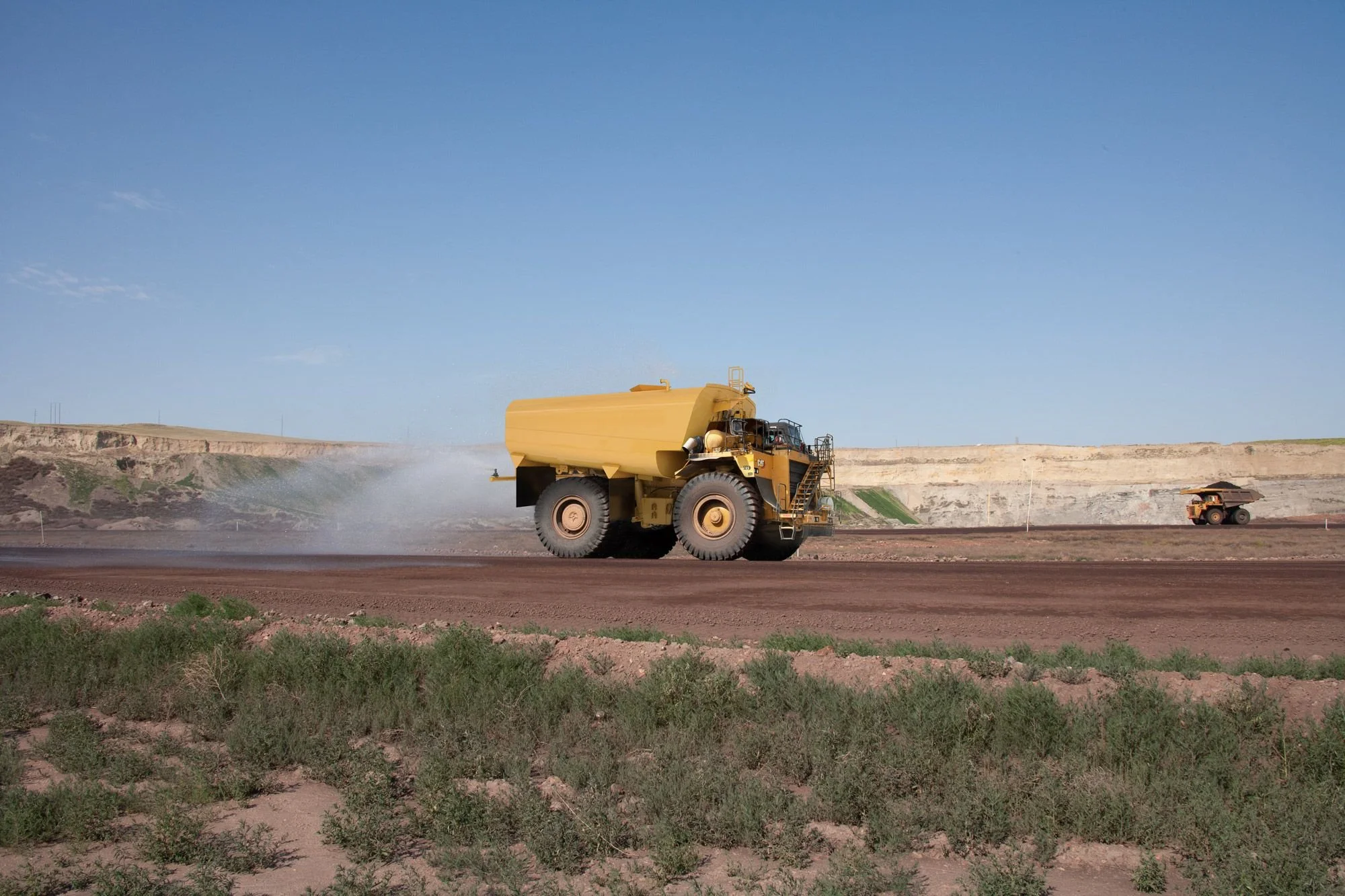
Problem: A mining client required a 125 kL water truck design to suit an existing Cat 785G dump truck chassis, with integrated pumping, spraying, access, maintenance, and operation requirements suitable for harsh mine site conditions.
Rayner Engineering delivered the complete mechanical design for the water tank and associated pumping systems, starting with on-site 3D scanning, to reverse engineering, modelling, and drafting. The project included tank and baffle design, sheet metal design, automated weld mapping, access system design, pumping system integration, manufacturing drawings, and maintenance & operation manual development. The result was a practical, manufacturable, mine-ready water truck design that supported workshop fabrication, safe site operation, and long-term maintainability.
John Deere Gator 4x4 off-road movie camera vehicle
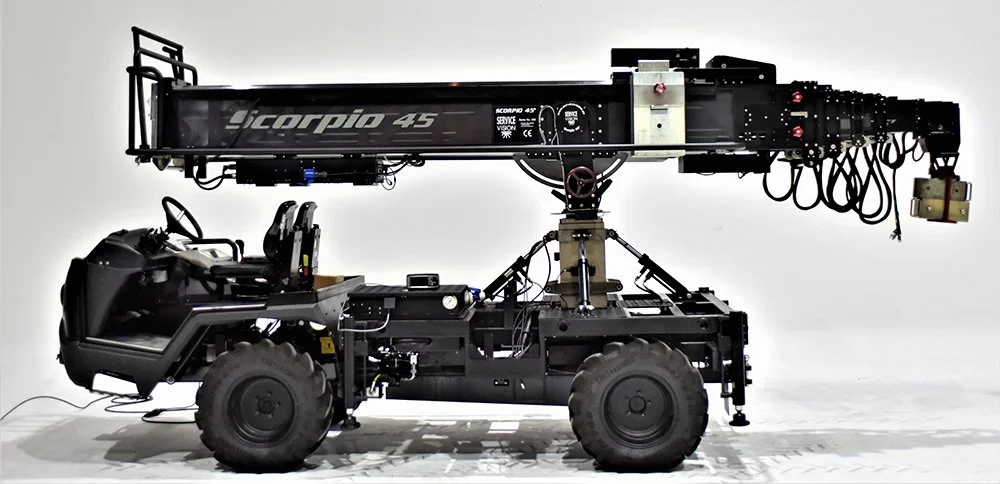
Problem: A film industry client needed a compact 4x4 camera vehicle that could carry a 45’ boom arm and camera, remain stable on rough terrain, and meet the exact working requirements of professional grip and camera operators.
Rayner Engineering developed a custom mechanical design based on a John Deere Gator platform. The project involved 3D scanning and reverse engineering, vehicle modification, machined component design, FEA simulations, COG & stability analysis, hydraulic system design, aesthetic design, and close consultation with film industry gripping professionals. This vehicle features an articulating column that extends vertically and can be pivoted in any direction from its spherical bearing mounting and the articulating hydraulic cylinders. Hydraulic outriggers were also designed to give the vehicle reliable stability in rugged conditions. The result was a specialised off-road camera vehicle concept designed around real filming workflows, improving equipment usability, stability, access, and operator confidence during off-road shooting.
Alumina refinery settler tank feedwell design & CFD analysis
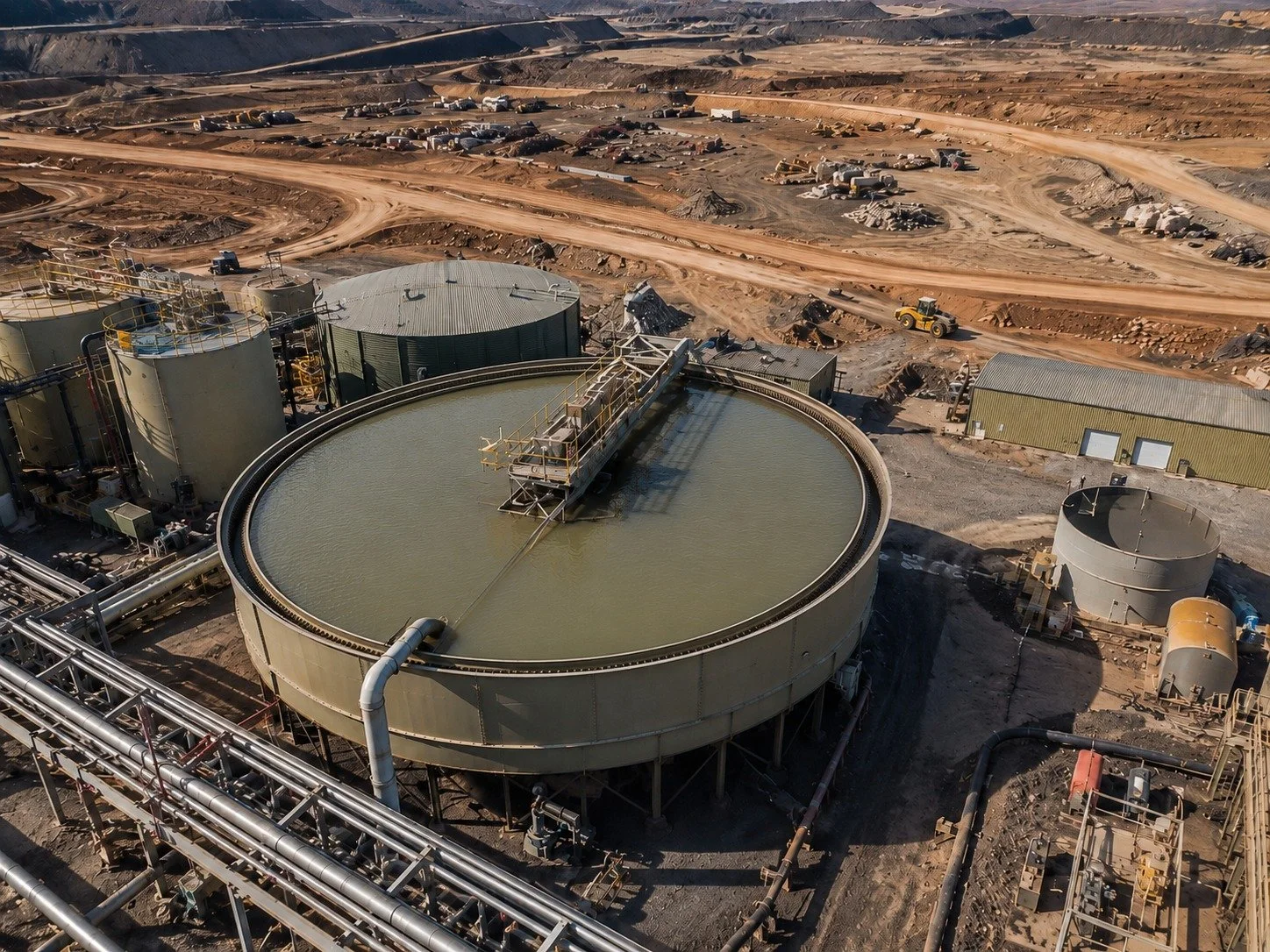
Problem: An alumina refinery experienced repeated dangerous caustic splash incidents caused by pump surging of aerated feed, resulting in resonant wave propagation within the tank and the formation of unpredictable standing waves. The resonant loading of the structure also repeatedly caused cracked welds, further compromising reliability and safety.
Rayner Engineering developed a redesigned central feedwell assembly with specific directed overflows and underflows, supported by Ansys CFD simulation and mathematical modelling using the 2D wave equation in polar coordinates. The analysis identified how aerated flow and pump surging were exciting wave resonance within the tank, leading to hazardous caustic splashing. The final feedwell design reduced wave propagation by evening and dampening of the incoming aerated flow, improving reliability and eliminating the dangerous hazards from the site. The analysis gave the engineering team insight into the root cause, which was directly addressed by the design and commissioning Rayner Engineering provided.
Wear Tracking Projects
Rayner Engineering provides wear tracking, 3D scanning, statistical analysis, remaining life assessment, CFD wear modelling, and design-for-wear upgrades for mining, civil equipment, refineries, dense-phase conveying systems, crushers, conveyors, GET components, liners, and bulk materials-handling assets. View our full range of Wear Tracking Services here:
Dense phase alumina conveying wear modelling & turbo pot redesign
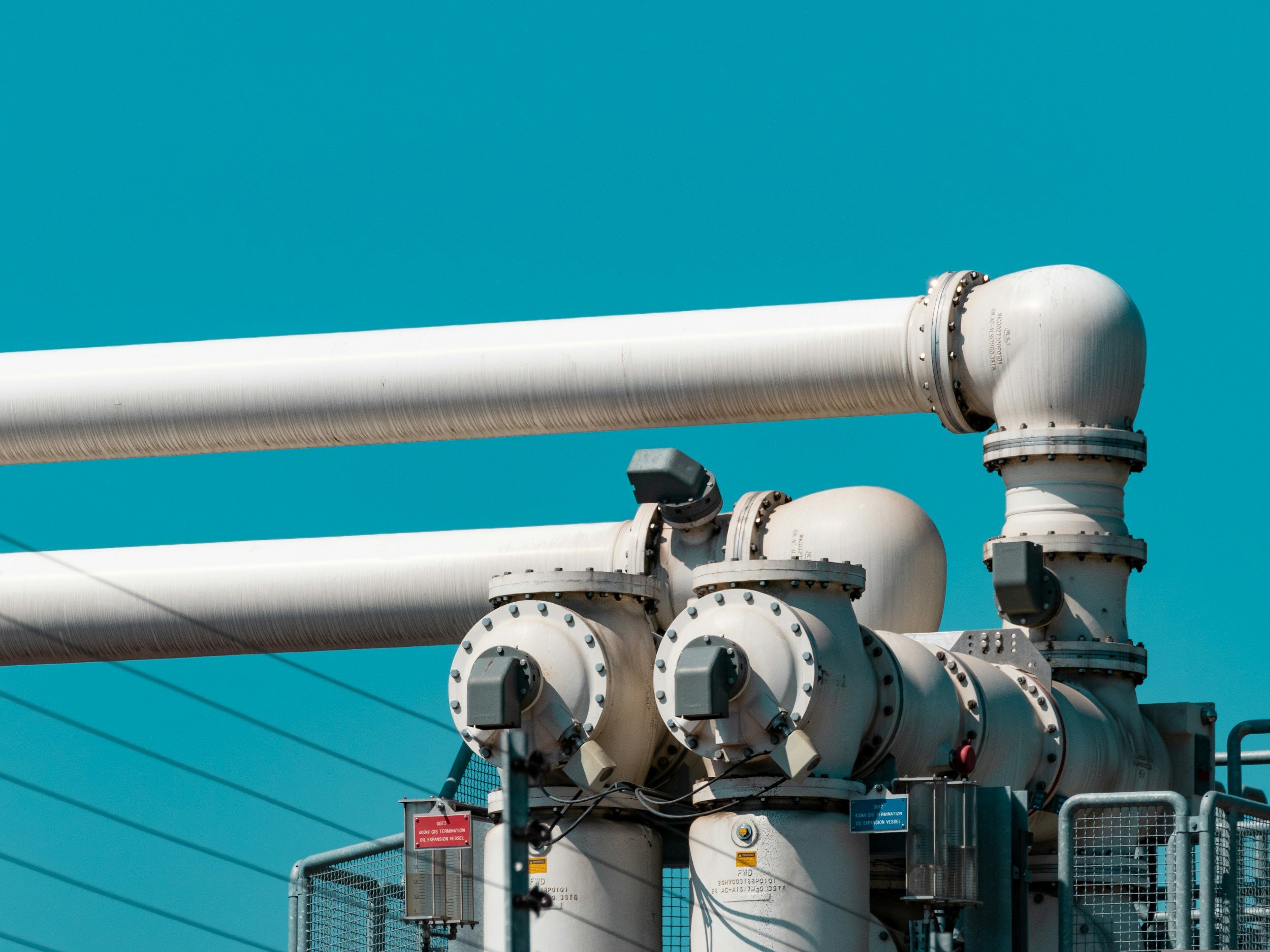
Problem: A dense phase alumina conveying system was experiencing high wear at pipeline bends, with prematurely failing turbo pot components and straight pipe sections, even with ceramic lining. This caused frequent patching of the components, premature failures, increased downtime, and posed a significant health and safety risk.
Rayner Engineering used Ansys CFD simulation to model particle behaviour and velocity through several turbo pot designs to identify natural wear patterns, and guide the design of an optimised turbo pot bend which would slow particle velocity, and therefore wear, the most. By analysing the relationship between particle flow path, velocity, turbulence, and erosion risk, we redesigned the turbo pot geometry to improve wear-life, system reliability, and safety. The improved design helped reduce wear intensity, extend system life, improve conveying reliability, and give the refinery a practical engineering basis for future dense phase conveying upgrades.
Mining conveyor belt wear tracking & replacement forecasting
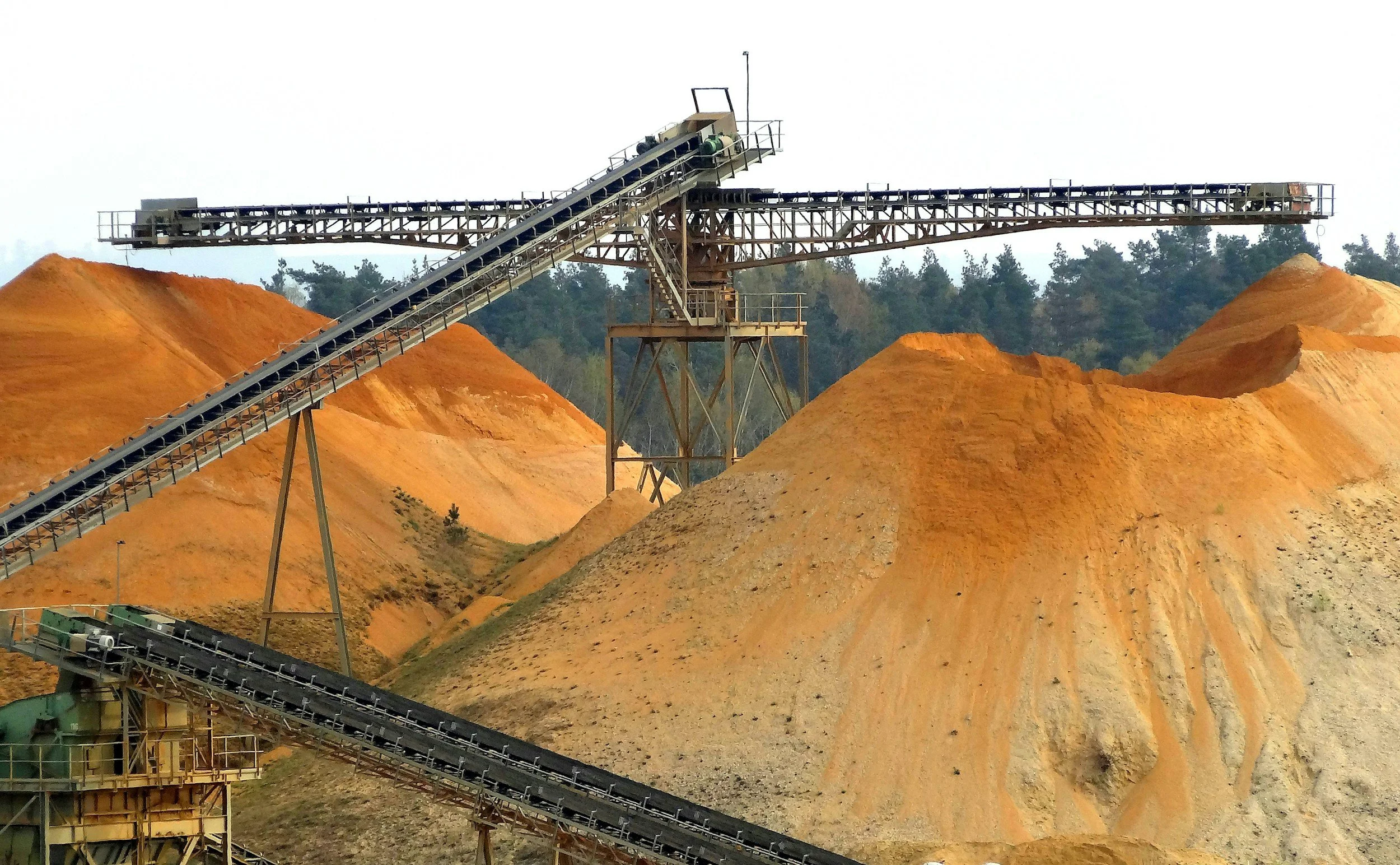
Problem: A mining operation had large amounts of conveyor belt UT thickness data from shutdowns, but were only relying on a linear analysis for thickness forecasting, with no accountability of actual belt damages, data outliers, and exponential wear rates near belt cords.
Rayner Engineering developed a conveyor belt wear tracking system using shutdown inspection and testing data, including ultrasonic thickness measurements and identified damage. The analysis used a statistical approach that accounted for exponential wear behaviour, data outliers, nominated minimum thickness limits, and the client’s required confidence level. This allowed the maintenance and engineering teams to better-estimate practical replacement dates, improve shutdown planning, reduce the risk of unexpected belt failure, and make better data-driven decisions around conveyor asset management. The spreadsheet was also automated to update with new shutdown data to save time (see Automation Projects below).
3D scanning & crusher liner wear optimisation
Problem: An underground gyratory crusher experienced liner wear that progressively changed the crusher gap, causing downstream issues, affecting product consistency, crusher performance, and liner utilisation.
Rayner Engineering used 3D scanning data to capture the worn liner geometry at different stages of operation and model how the crusher profile changed non-linearly over time. This model was then used to develop an algorithm for adjusting the crusher mantle height as the liners wore, per tonne of rock processed. This helped the site finally maintain a consistent crusher gap size, improve crusher performance, remove gap-checking maintenance tasks, support better liner changeout decisions, and achieve more predictable service life from the crusher mantle & concave liners.
Ground engaging tool wear tracking & design optimisation
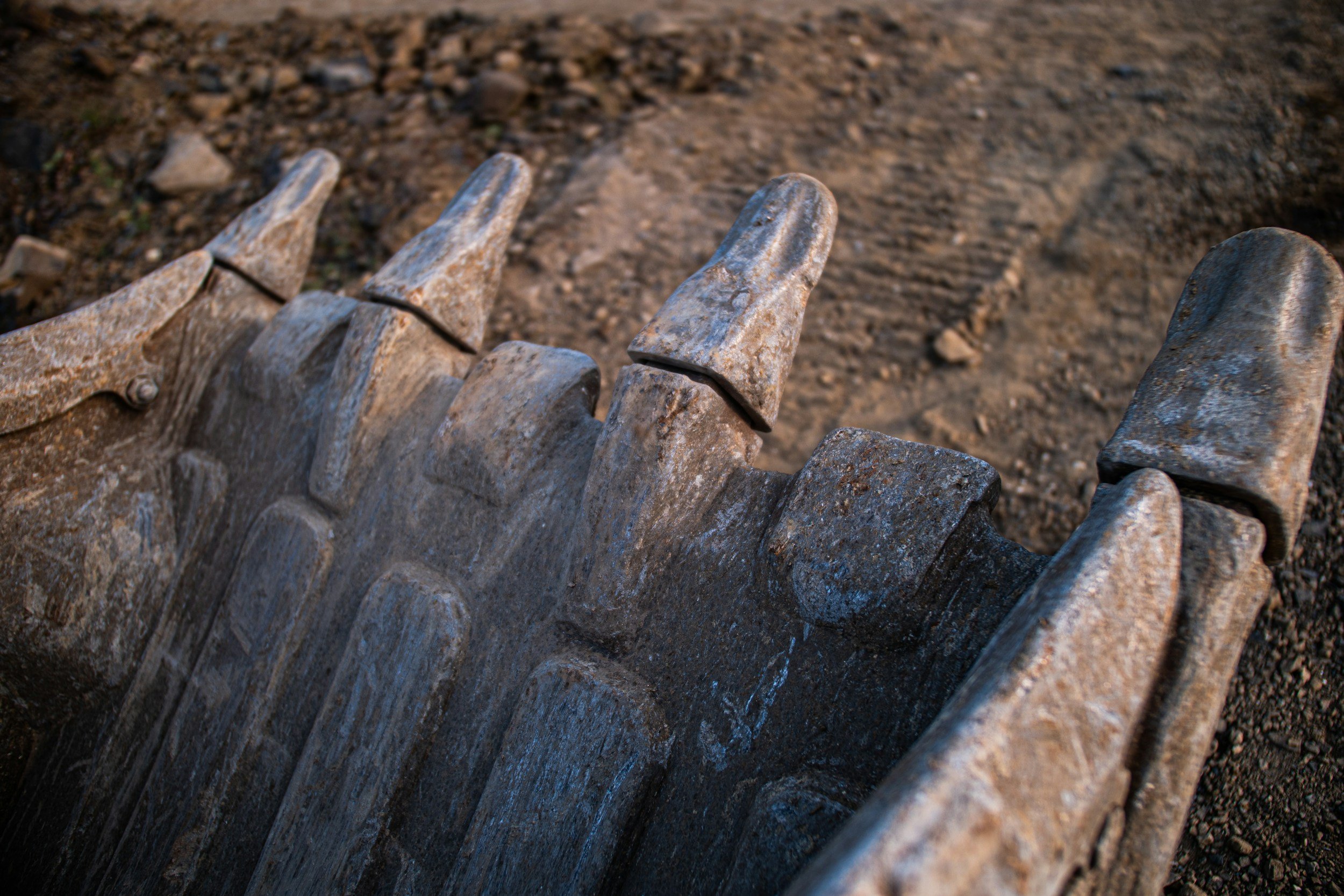
Problem: Excavator buckets, bulldozer blades, liners, and other Ground Engaging Tools designed by a heavy manufacturer were wearing unevenly, making it difficult to balance component life, manufacturing cost, and material usage.
Rayner Engineering reviewed GET wear patterns from periodic 3D scans and thickness measurements to use statistical wear tracking to understand where material was being used effectively and where components were either undersized or overengineered. We used this information to optimise component thicknesses, wear plate arrangements, and material distribution. The result was a more efficient GET design that helped reduce unnecessary manufacturing costs, improve component performance, and extend overall product lifespan in rugged mining and civil applications.
Sheet Metal Projects
Rayner Engineering provides sheet metal design, tank design, baffle design, cut-file and drawing packages, aluminium fabrication design, stainless steel design, guards, brackets, cabinets, toolboxes, doors, trays, enclosures, and signs. View our full range of Sheet Metal Services here:
Mining service module & water truck sheet metal design
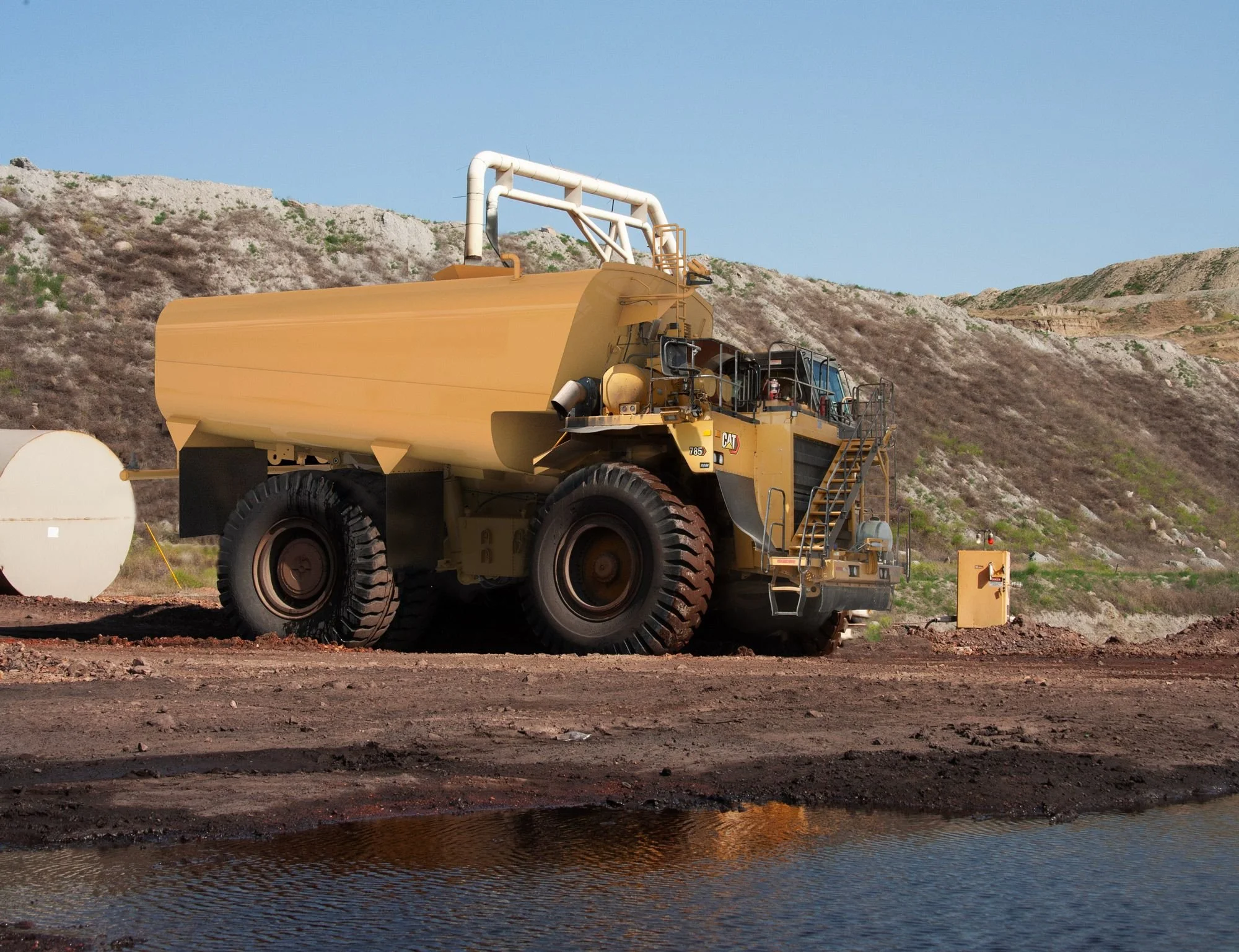
Designs: Mining service modules and water truck bodies for Cat 785, Cat 775, and Cat 777 platforms, as well as Komatsu HM400 trucks.
These projects require hundreds of unique sheet metal parts, including tanks, baffles, guards, brackets, frames, control boxes, shelves, drawers, toolboxes, and doors. Rayner Engineering has delivered detailed sheet metal design for large mining equipment builds, focusing on manufacturability, durability, access, and fabrication efficiency. We developed practical sheet metal models, flat patterns, DXF cut file packages & BOM’s, and manufacturing drawings while reducing unnecessary part expenses and welded joints where possible. Our design work has helped manufacturers reduce fabrication time, lower manufacturing costs, improve assembly efficiency, and deliver robust mining equipment that performed well on site.
Custom Isuzu NPS aluminium truck tray design
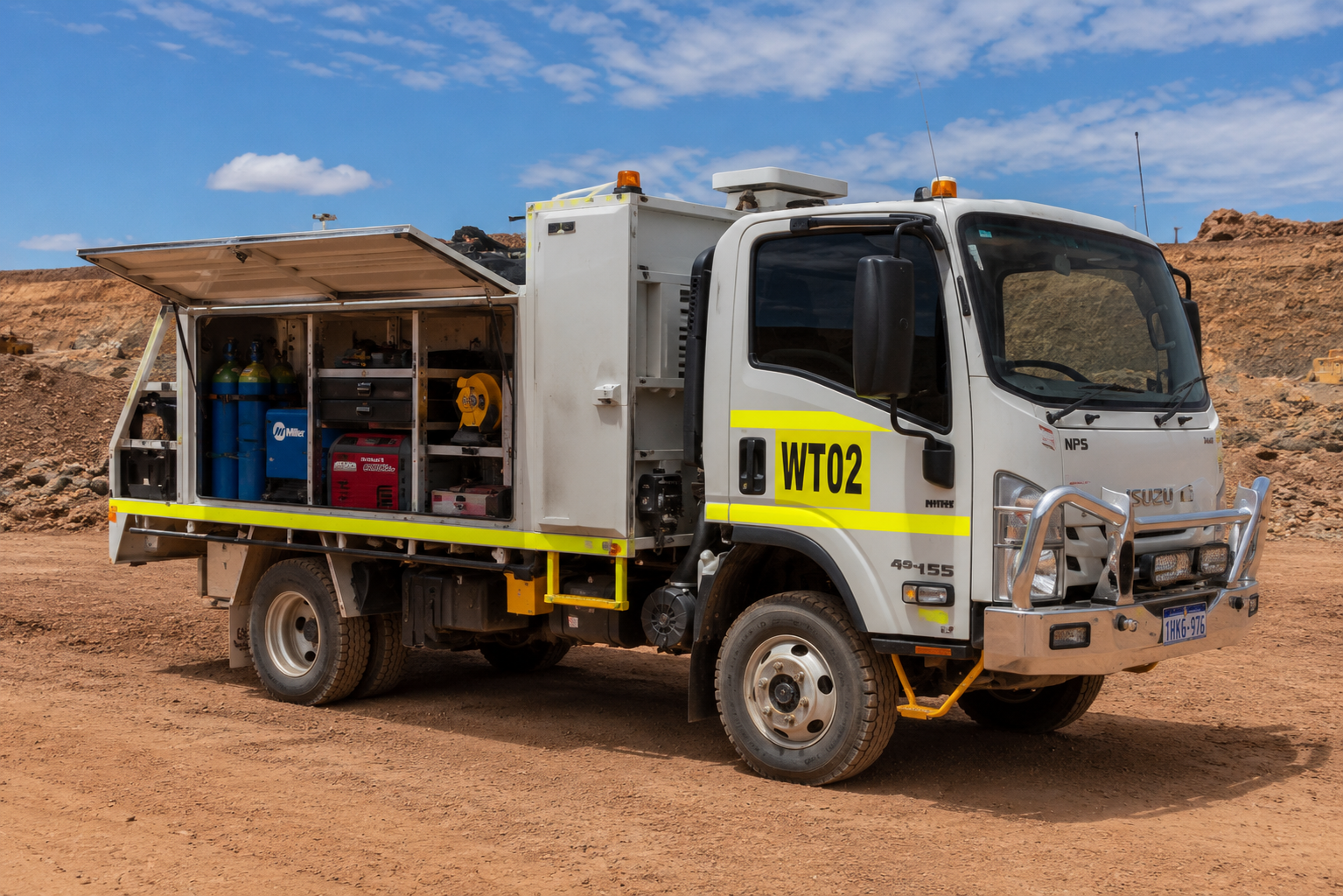
Problem: A client required a custom aluminium truck for a field service vehicle, integrating gas bottle storage, an air compressor, generator, welder, integrated access system, and toolboxes into a practical layout for site repairs.
Rayner Engineering designed a custom aluminium truck tray for a 4×4 Isuzu NPS vehicle with a focus on ergonomics, accessibility, weight, storage layout, and fabrication efficiency. The design supported mobile welding, diesel fitting, maintenance work, and site repair activities by keeping critical equipment accessible, maintainable, and organised. The finished design improved operator access, reduced wasted time on site, and made field service work safer & more efficient.
3D 316 Stainless Steel Backlit Signage
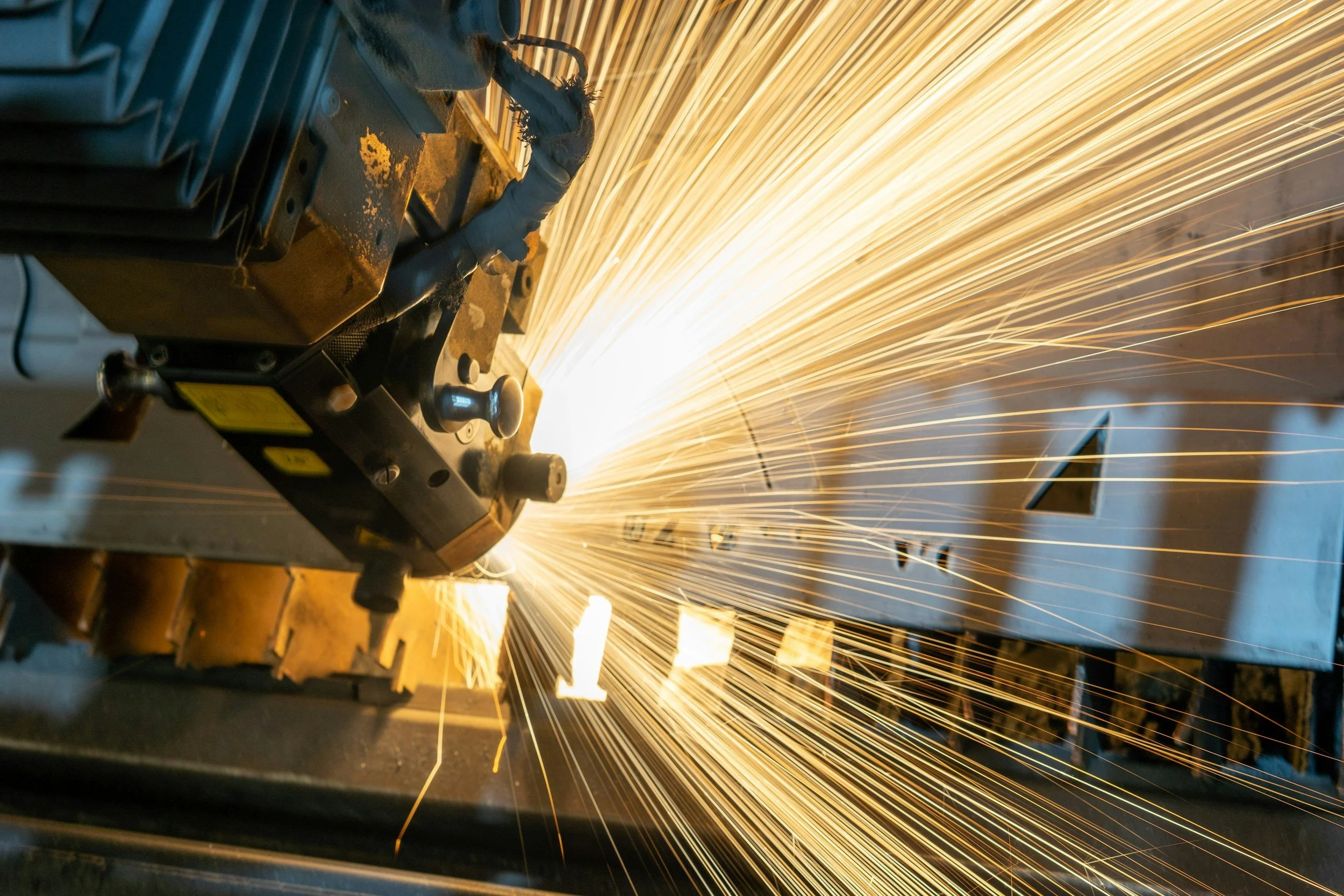
Problem: A company required premium stainless steel signage that was durable, professional, corrosion-resistant, and suitable for internal backlighting.
Rayner Engineering developed 3D GR316 stainless steel welded sheet metal sign designs with internal backlighting. The project outsourced CNC laser cutting and bending, and limited the amount of welds required for assembly, giving an efficient and high-quality finish. The result was a durable and visually striking signage solution suitable for commercial presentation, combining practical fabrication design with a polished architectural appearance.
Failure & Repair Projects
Rayner Engineering provides failure analysis, RCA investigations, forensic engineering, weld repair methodology, NDT review, pressure equipment repair support, metallurgical assessment, FEA analysis, reverse engineering, 3D scanning, repair-versus-replacement assessment, and shutdown preparation projects. View our full range of Failure and Repair Services here:
Forensic engineering & FEA investigation after workplace incident
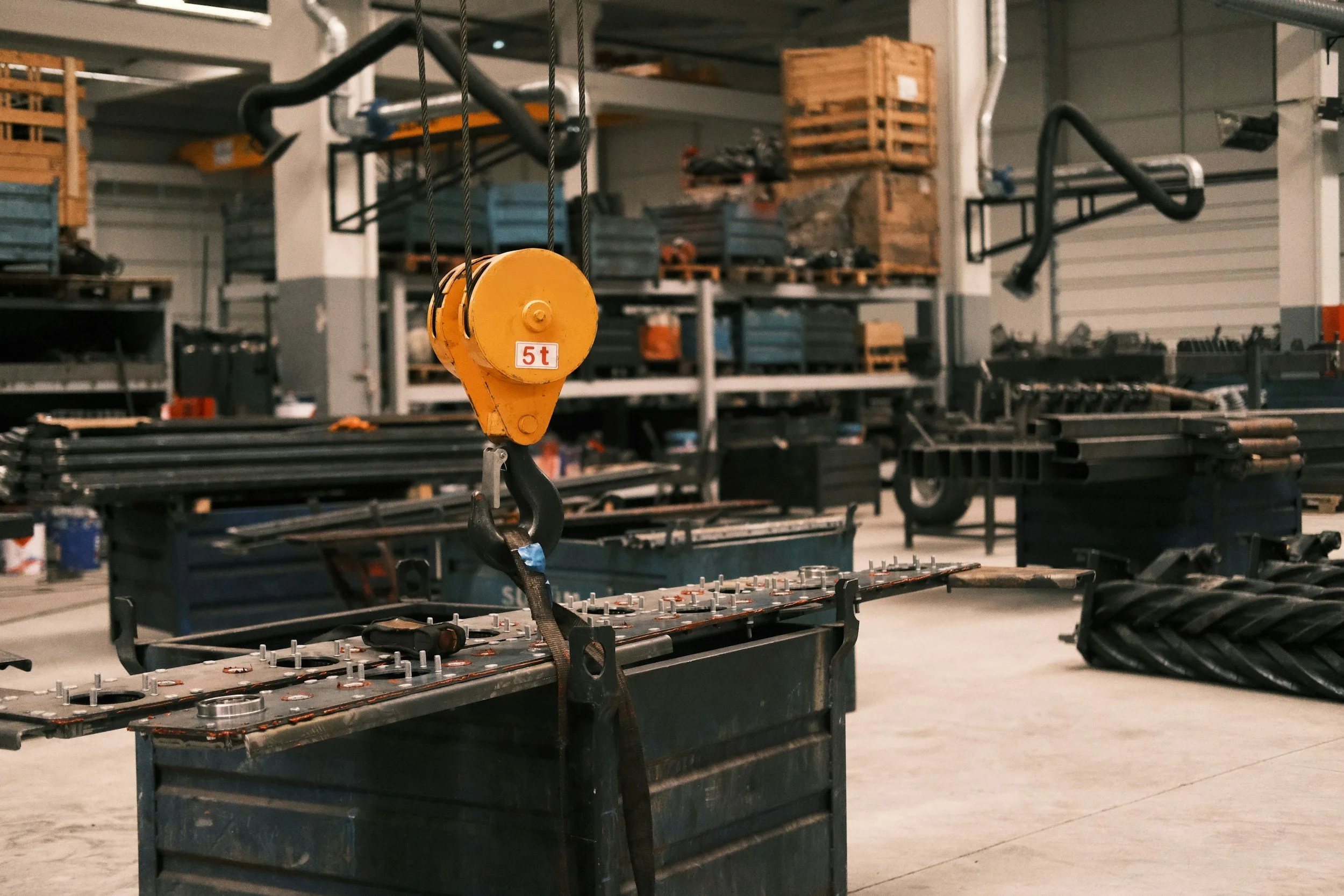
Problem: A workplace incident involving incorrect lifting techniques required a post-failure engineering investigation to understand how the component failed and what corrective actions were needed.
Rayner Engineering provided forensic engineering support, including finite element analysis, load path assessment, failure mechanism review, and engineering interpretation of the incident conditions. The investigation helped identify how the failure occurred and provided evidence-based recommendations to improve lifting practices, equipment selection, and future risk controls. This gave the client a clearer technical basis for incident response, corrective actions, and prevention of similar failures.
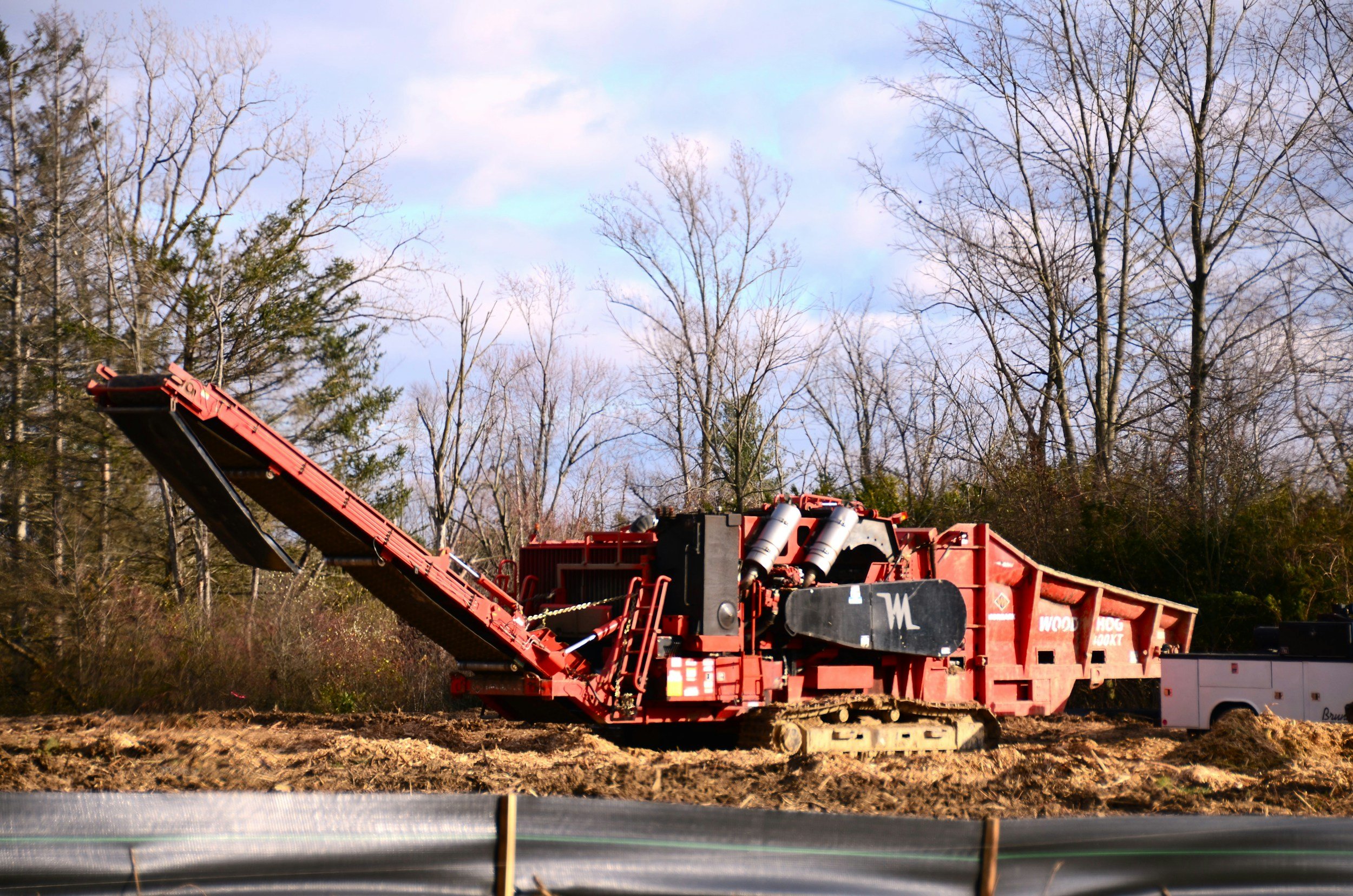
Vibrating screen cracking and premature failure RCA
Problem: A mine site vibrating screen was having repeated weld cracking at various locations on the structural under-frame, causing decreased reliability, expensive downtime, and safety risk.
Rayner Engineering performed a root cause analysis investigation into the cracking of the screen. Once the process and operation of the screen were verified as suitable, the original design was assessed, where it was found that the welds used would meet structural standards, but were insufficient for fatigue applications. A repair procedure was developed following the design review to update the screen to be compliant with AS 1554.5 for fatigue purposes, restoring plant reliability, efficiency, and safety. This was completed by enhancing the weld blending and post-weld surface treatment requirements to remove stress concentrations from weld toes, ultimately extending the asset’s fatigue life much further beyond the original design.
3D scanning & prefabricated access system replacement
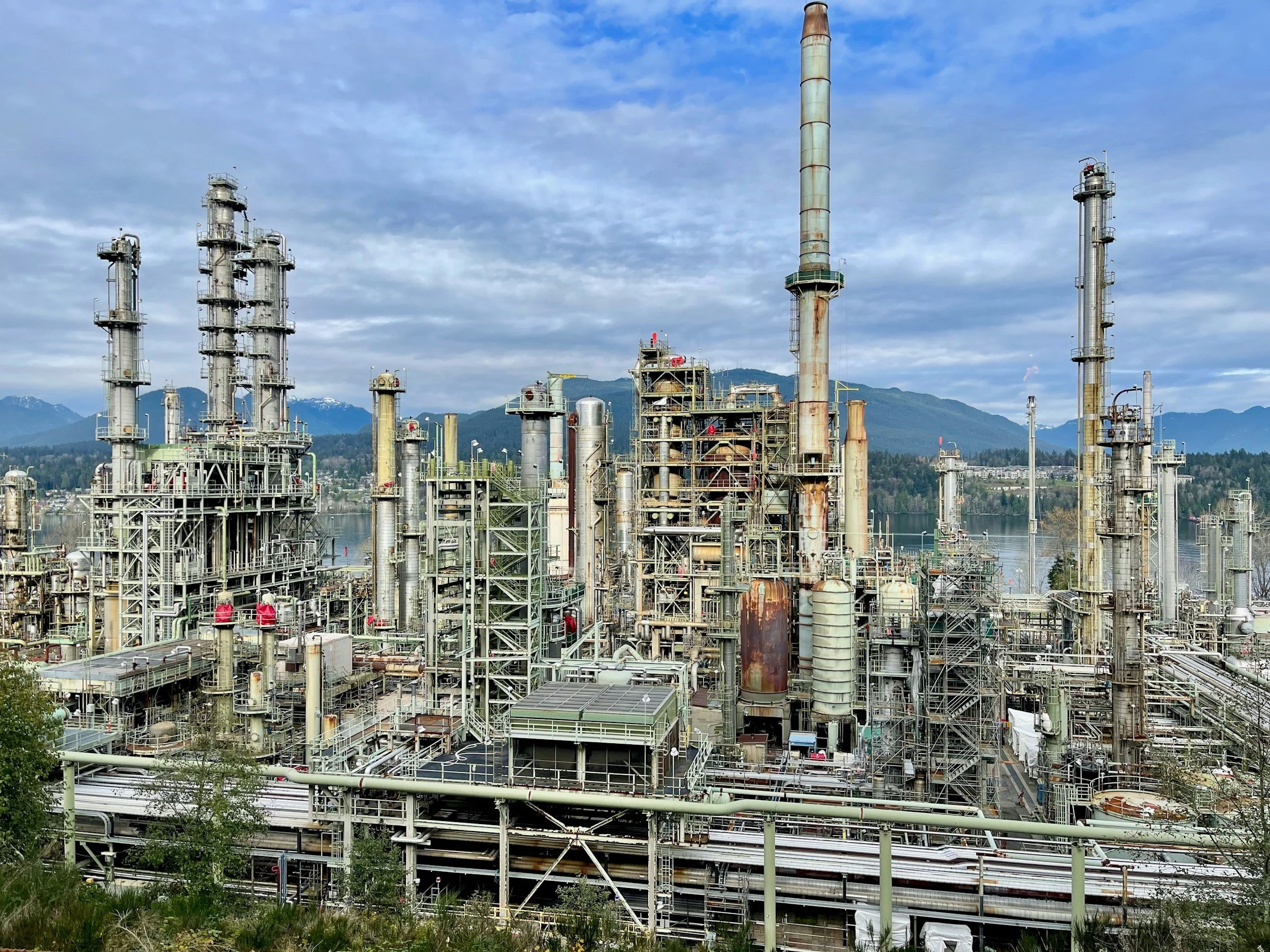
Problem: Corroded refinery tank access systems and walkways required replacement during a shutdown, but the client needed to minimise downtime and avoid fit-up problems so as not to extend downtime.
Rayner Engineering used 3D scanning, reverse engineering and mechanical redesign to produce manufacturing drawings and guide the construction and installation of replacement access system assemblies for the plant’s shutdown. This allowed the new access systems to be prefabricated off-site and swapped into position during the shutdown. The work reduced site measurement risk, improved fit-up confidence, shortened shutdown installation time, and saved significant downtime and labour cost. Having our team on-site during commissioning helped with problem-solving and ensured the installation process went smoothly.
Automation Projects
Rayner Engineering has delivered Automation projects involving Autodesk Inventor VBA programming, iLogic automation, Excel VBA automation, automatic weld map generation with WPS filtering and QR codes, manufacturing BOM automation, CAD design and drafting automation, shutdown data automation, and engineering workflow optimisation. View our full range of Automation Services here:
Automated 3D weld map generation from Autodesk Inventor
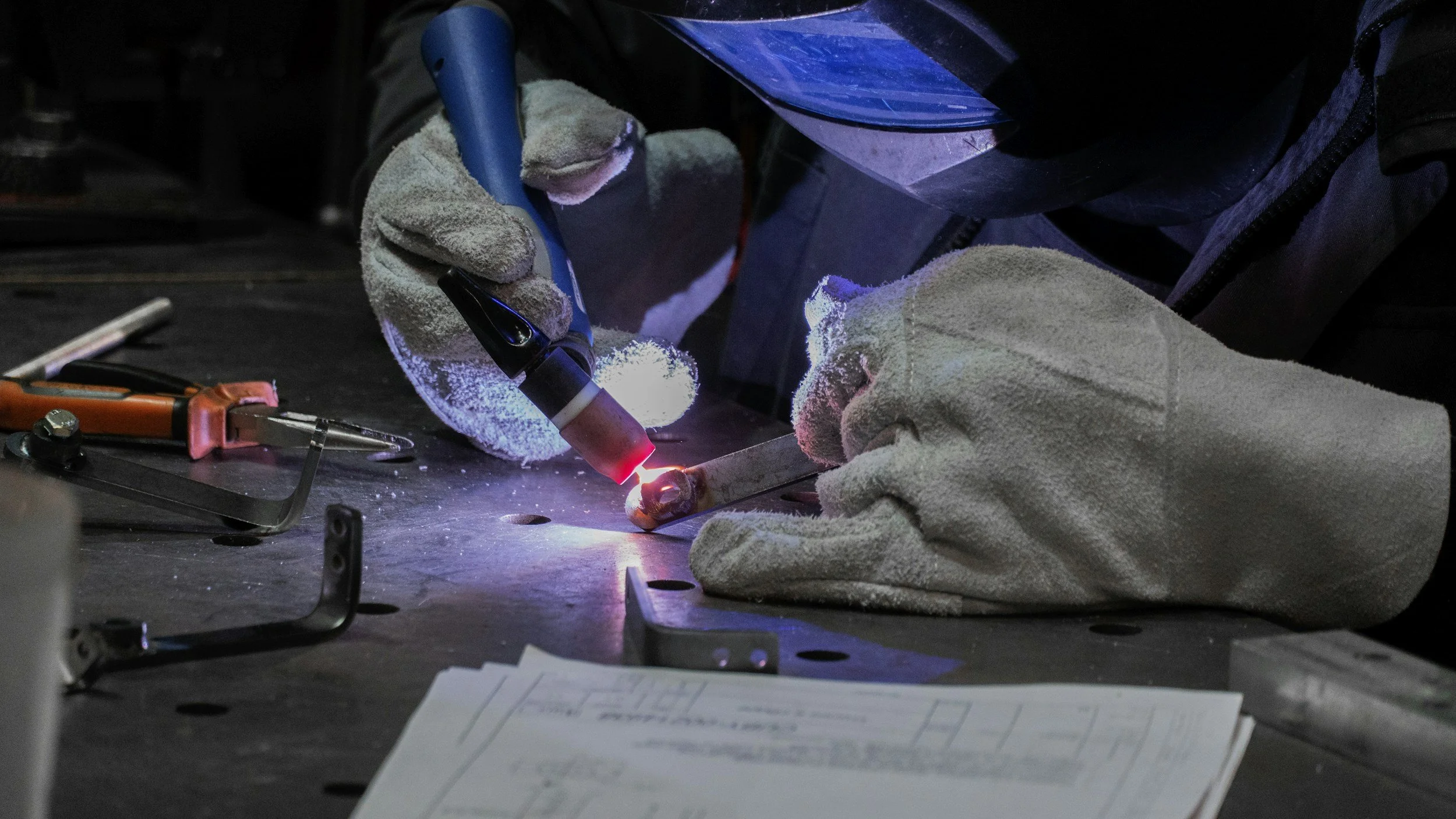
Problem: Large dragline component weldments for a mine’s QA standards required a manufacturing supplier company to create a comprehensive weld map for traceability, with weld test records for every weld, which had always taken alot of time and money to create manually.
Rayner Engineering programmed a VBA plugin for Autodesk Inventor to automate 3D weld map generation directly from large weldment CAD models. The system produced 500+ weld map spreadsheet entries and complete PDF weld map booklets, with automatic WPS filtering and interactive QR codes which linked welders to the correct WPS for the joint they were welding. This saved months of manual documentation time, reduced the risk of NCR’s and rework, improved workshop efficiency, and provided a scalable & reliable welding QA/QC system for large fabrication projects. This project has set the precedent for better weld map and traceability systems in the mining and heavy manufacturing industry. Ask us how we can save you hundreds of man-hours with automation.
Conveyor belt wear tracking automation
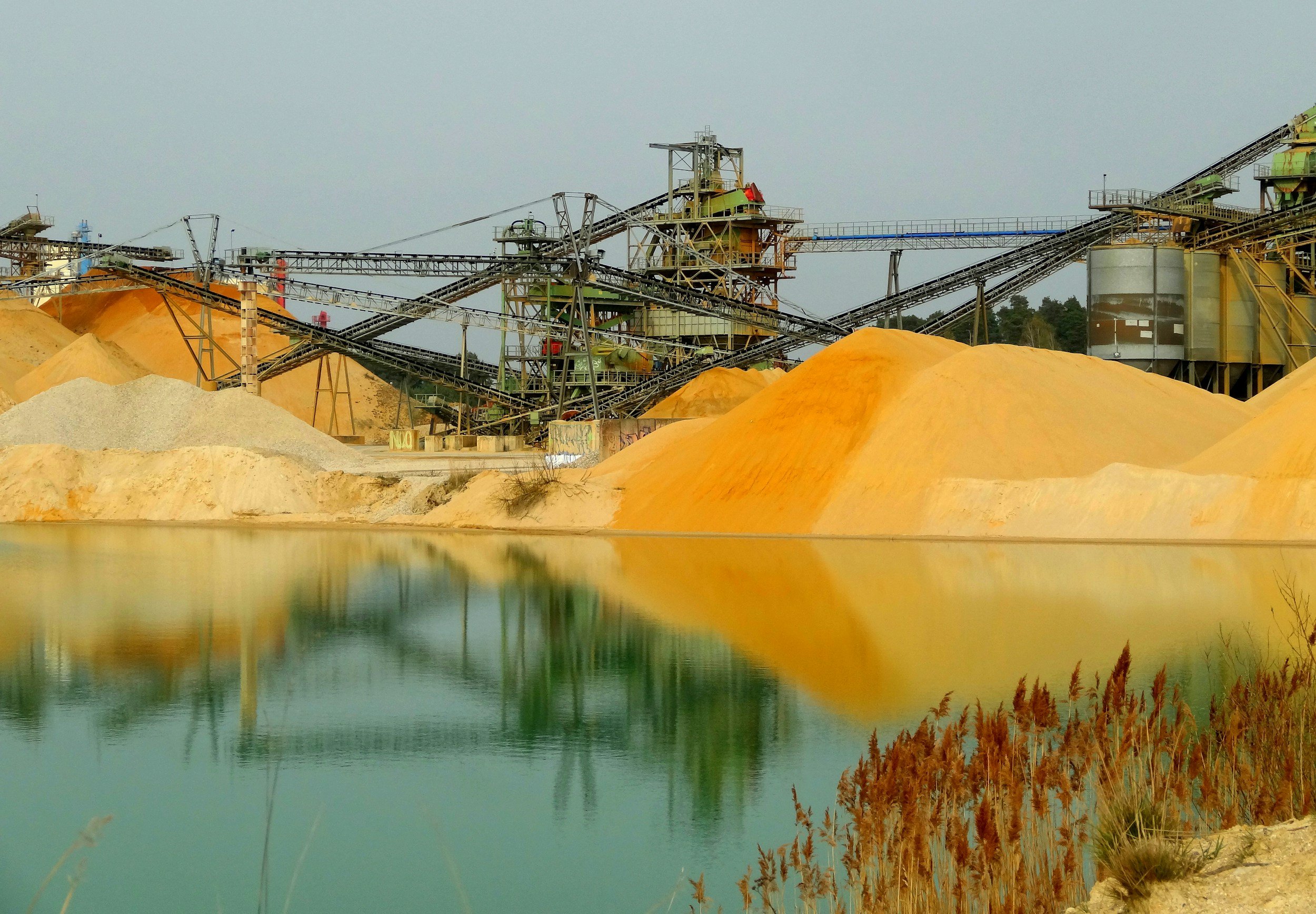
Problem: Mine site conveyor belt thickness data from shutdown inspections was being manually entered, processed, and reported, making wear tracking slow, repetitive, and prone to spreadsheet & user errors.
Rayner Engineering developed automation tools to streamline conveyor belt wear tracking using shutdown or periodic inspection and testing data. The system used VBA code connected to the Excel API to automate data updates within the spreadsheet and produce new wear rate trends, thicknesses, remaining life assessment, and summary reporting for maintenance and engineering teams to simply review. This helped convert raw inspection data into useful maintenance intelligence faster, supporting better replacement planning, improved reliability, and reduced administration time every shutdown.
Autodesk Inventor iLogic & VBA design automation

Problem: Design engineering teams were spending too much time on repetitive drafting tasks such as filling out drawing title blocks, entering part information into iProperties, completing BOM’s and ordering spreadsheets, and other BIM processes.
Rayner Engineering developed several Autodesk Inventor iLogic and VBA automation tools to streamline design and drafting workflows. This included automatic drawing title block population, pulling and inferring data from the part or assembly model, automated drawing data transfer, and ordering package generation. A batch ordering tool for weldments and assemblies was programmed so that when an order comes for any part, assembly, or weldment, a custom Inventor plugin program can pull all of the drawings and cut files required for that component and add them into a new folder alongside a fully detailed automated BOM for the order. The outcomes of our automation work have consistently been improved drafting efficiency, reduced drawing time, fewer manual errors, better consistency, and generally a more reliable and ergonomic workflow, which draftspeople and engineers have benefited from.